
How to Clean Air Vent Covers in House

How to Clean Air Vent Covers in House? Have you ever noticed dust bunnies gathering around your air vents? Those fluffy friends might seem harmless, but clogged vents can actually reduce airflow and make your HVAC system work harder. The good news is that cleaning your air vent covers is a simple process that can improve your indoor air quality and keep your system running smoothly. So, how to clean air vent covers in the house? To clean air vent covers in your house, turn off the HVAC system, remove the covers, vacuum them, soak in soapy water, scrub, rinse, dry, and reattach securely before turning the HVAC system back on for improved air quality and efficiency. In this guide, we’ll walk you through the steps to effectively clean air vent covers in your house. Steps on How to Clean Air Vent Covers in House Air vent covers in your house have an important job. They help keep the air inside clean and fresh by catching dust, dirt, and things that can make you sneeze or cough. But over time, these vent covers can get filled up with stuff that blocks the air from flowing through. This makes your heating and cooling system (HVAC) work harder, which can cost you more money and make the air inside not so nice to breathe. So, it’s a good idea to clean your vent covers regularly. The good news is that it’s not a hard job, and it won’t take long. Here’s a step-by-step guide to show you how to do it: You’ll Need A screwdriver A vacuum cleaner with a brush attachment A soft cloth or sponge A bit of mild dish soap Warm water A bucket Step 1: Turn Off the Heating or Cooling System Make sure to turn off your heating or cooling system to stay safe and prevent dirt from spreading. Step 2: Take Off the Vent Covers Utilize a screwdriver to remove the screws holding the vent covers. Carefully remove the covers from the vents. Step 3: Vacuum the Vent Covers Utilize the vacuum cleaner with the brush attachment to clean off any loose dust and debris from the vent covers. Step 4: Soak the Vent Covers Fill your sink or bucket with warm, soapy water. Add a few drops of mild dish soap and let your vent covers soak for about 30 minutes. This will loosen any stubborn dirt or grime. Step 5: Scrub and Rinse Utilizing a soft cloth or sponge, gently scrub the vent covers to remove the remaining dirt. Rinse them with clean water afterward. Step 6: Dry and Put Back On Pat the vent covers dry with a cloth. Ensure they’re completely dry before reinstalling them on the vents. Step 7: Turn On the Heating or Cooling System Once the vent covers are back in place and dry, you can safely turn your heating or cooling system back on. This will improve air quality and system efficiency. Bonus Tip: If you notice a lot of dust buildup inside the vents themselves, it might be time for a professional cleaning. Professionals have specialized tools to clean the entire ductwork system, ensuring optimal airflow and air quality. Check out our insightful blog to learn, “Does Cleaning Air Ducts Help with Allergies?” Additional Tips for Cleaning Air Vent Covers Here are some extra tips for cleaning air vent covers: For Metal Vent Covers: If your vent covers are metal, you can clean them using a mix of vinegar and water. Just spray the covers with this mix, wait a bit, then gently scrub and rinse with clean water. For Plastic Vent Covers: For plastic vent covers, make a perfect solution using mild dish soap and water. Avoid strong chemicals or rough cleaners as they can harm the plastic. Cleaning Inside Vents: To clean inside vents, use a vacuum cleaner with a brush attachment. Simply insert the brush part into the vent and vacuum up any dust or debris. It’s best to clean your air vent covers at least once a month, especially if you have pets or allergies. This helps keep the air in your home cleaner and healthier. Visit our informative blog to learn how often you should clean your air ducts. Importance of Air Vent Cover Cleaning Think of air vent covers like the “lungs” of your house. They let air in and out. But when they get clogged or dirty, it can cause problems: Poor Air Quality: Dust, allergens, and tiny particles collect on vent covers, making the air inside your home less clean. This can cause allergies and breathing issues. Reduced Efficiency: Clogged air vents make your HVAC system work efficiently to maintain the right temperature. This uses more energy and can increase your bills. Unpleasant Smells: Dirty AC ducts or vents can make the air pick up bad smells from dust and debris, making your home smell bad. Possible Damage: Over time, all the collected dirt can harm your heating and cooling system, leading to expensive repairs. Visit our insightful blog post to understand the health problems caused by dirty air ducts. Contact a Pro If you need professional air vent cleaning in Pennsylvania, Delaware, and New Jersey, choose H&H Services. Our certified experts specialize in air duct cleaning, making sure indoor air is cleaner and healthier for you and your family. With a focus on improving indoor air quality, we remove harmful bacteria, dust, pet dander, and other contaminants from your air vents. Our team will arrive at your scheduled time, provide you with an all-inclusive price, and ensure your satisfaction with our services. We are licensed, insured, and dedicated to offering transparent pricing for our customers. You can schedule your appointment easily online or by calling (215) 867-9902. Wrapping Up To put it simply, learning how to clean air vent covers in the house is a small task that can have a big impact. By keeping these covers clean, you’ll have better air quality, save energy, and
Is Mold on Air Vents Dangerous?
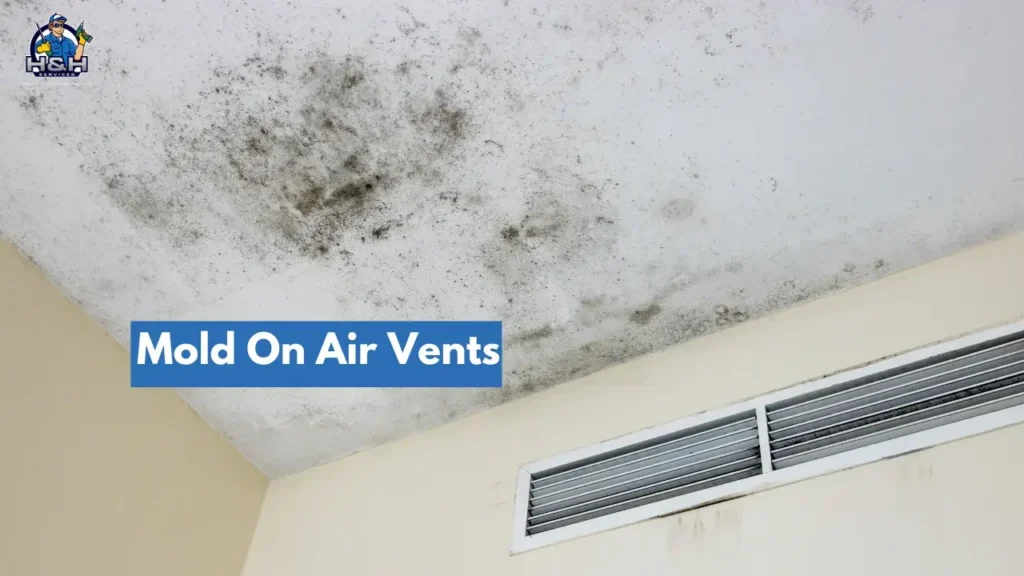
Is Mold on Air Vents Dangerous? Is Mold on Air Vents Dangerous?” It’s a question that might make you feel worried if you’ve ever smelled something strange coming from your air vents or noticed dark spots inside them. Mold in air vents is not just an eyesore; it could potentially pose serious health risks to you and your family. Black mold, in particular, may produce toxins that can be harmful if inhaled. But don’t get scared just yet. Let’s talk about this problem you might have at home and figure out what you can do to fix it. What is Mold? Before we talk about whether mold on vents is dangerous, let’s first learn what mold is. Mold is a type of fungus that likes to grow in wet and dark places. It can look like fuzzy spots or marks and comes in different colors, like black, green, or pink. Is Mold on Air Vents Dangerous? The short answer is yes: mold in your air vents can potentially cause health problems. Mold releases tiny spores that float around in the air, and if you inhale them, you might experience some unpleasant symptoms. These can be similar to allergies, such as: Itchy eyes Runny nose Sneezing Coughing Difficulty breathing. People with asthma or allergies are more likely to be affected by mold exposure. In severe cases, mold can even lead to respiratory problems or other health issues. Not All Mold is Created Equal The good news is that most common household molds aren’t particularly toxic. They might irritate you, but they probably won’t cause serious health problems. However, there’s a type of mold called “black mold” that gets a bad reputation for a reason. While black mold isn’t inherently more dangerous than other molds, it can produce toxins that can be harmful if inhaled. Check out our insightful blog to learn, “Does Cleaning Air Ducts Help with Allergies?” What is Black Mold? Let’s talk about black mold. Black mold, also known as Stachybotrys chartarum, is a type of mold or fungi. You can recognize black mold by its dark greenish-black or gray color. It looks slimy and grows in damp places. Black mold likes to feed on organic materials like wood and cotton, so you might find it on damp drywall, insulation, or carpets in your home. It doesn’t usually grow on metal, glass, or plastic. You can often spot black mold on walls, carpeting, furniture, and ceilings. So, what causes black mold in air vents? Unfortunately, black mold likes to hang out in air vents, where dust provides it with food. If air vents aren’t cleaned regularly, black mold can thrive there. Breathing in the spores of black mold can cause health problems, from simple things like itchy eyes to more serious issues like lung damage. How to Spot Toxic Signs Of Black Mold in Air Vents Here’s how you can tell if there are symptoms of mold in air ducts, especially black mold: Black Dust Around Air Vents: If you see black dust around your air vents, it could mean there’s black mold growing inside. This dust might be patchy and hard to clean. Musty Odors: Black mold has a strong, musty smell. If your air vents smell musty when you turn on the AC, there might be black mold inside. Health Symptoms: If you start feeling itchy eyes or sneezing more when you’re indoors, especially when the AC is on, it could be a sign of black mold in your air ducts. Visit our insightful blog post to understand the health problems caused by dirty air ducts. What to Do if You Find Mold If you discover mold in your vents, resist the urge to tackle it yourself. Mold removal requires proper training and equipment to avoid spreading spores and ensure a thorough cleaning. Here’s what to do: Stop Using Your Air Vents: Shut down your HVAC system to prevent further circulation of mold spores. Call a Mold Remediation Professional: They can safely remove the mold and identify any underlying causes of moisture that might have contributed to the growth. Visit our informative blog to learn how often you should clean your air ducts. Preventing Black Mold Growth Here’s what you can do if you find black dust around your air vents: Change AC Filters Regularly: Make sure to change your air filters every 30 to 60 days, especially if you have pets. This prevents dust and dirt from clogging your vents and helps stop mold from growing. Clean Ducts Regularly: Have a professional clean your air ducts at least twice a year. They can spot any issues that could lead to mold growth and fix them before they become a problem. Fix Any Problems ASAP: Keep an eye out for leaks, cracks, or damage that could cause mold to grow. Fixing these issues early can prevent mold infestations. Watch Wet Spots: Dry wet spots immediately to prevent mold growth. This includes leaks from pipes or spills on carpets. Maintain Gutters: Clean and repair your gutters regularly to prevent water damage that can lead to mold growth. Improve Ventilation: Make sure your home has good airflow to prevent moisture buildup. Open windows, use fans and keep furniture away from walls to improve ventilation. Place Carpets Strategically: Avoid using carpets in rooms with high moisture levels, like bathrooms and kitchens. Remove wet or damaged rugs promptly. Monitor Humidity Levels: Keep the humidity in your home between 30 and 60 percent to prevent mold growth. You can use a humidity sensor to easily monitor levels. H&H Services Can Keep Your Family Comfortable and Safe H&H Services is a trusted company in Pennsylvania, Delaware, and New Jersey. We specialize in cleaning air ducts to make indoor spaces cleaner and healthier. With a great 4.9 rating from over 769+ reviews, our certified experts focus on removing harmful substances like black mold, improving air quality, and making HVAC systems work better. We’re licensed, insured, and committed to making sure customers are happy.